 The Tech Interactive End of Year Appeal




In today’s crowded digital landscape, brands need ways to stand out, connect with their audiences, and build lasting trust. One of the best ways to accomplish those things is through thought leadership. Thought leadership is more than simply producing content; it’s about sharing your industry expertise in a way that positions your brand as an authority, leading to deeper trust and engagement with your customers.
What is Thought Leadership?
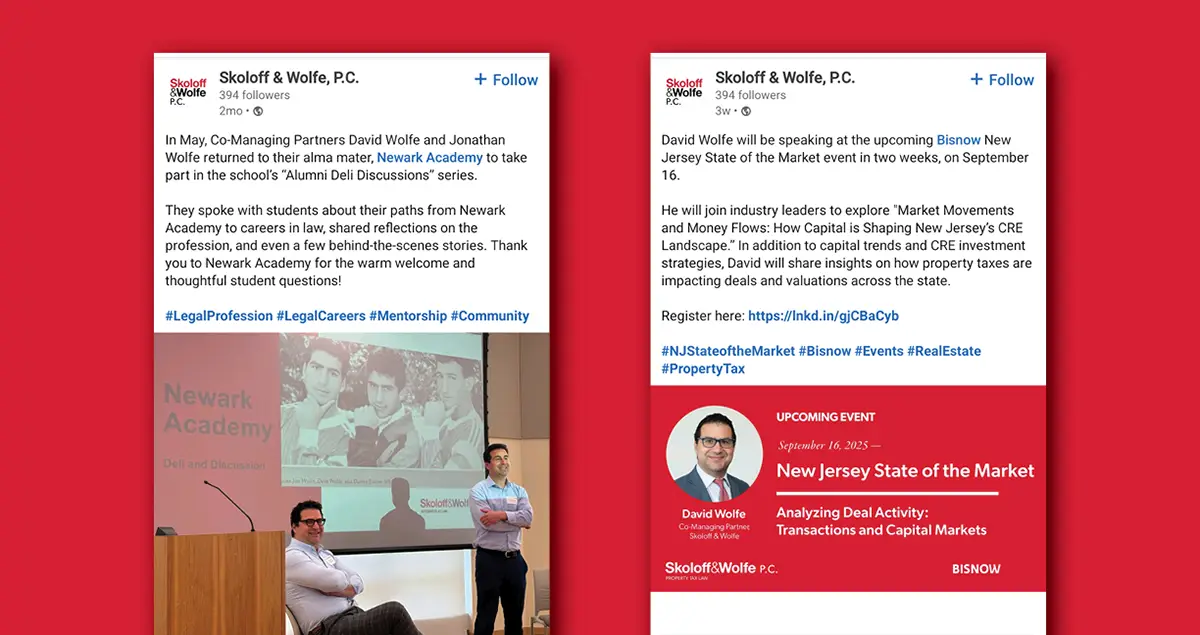
You’ve seen it before—when a law firm explains how new legislation may affect families, or when an airline shares smart packing strategies for travelers. That kind of content builds confidence and connection and defines how your brand is perceived—not just by customers, but by your industry and even your internal teams. It offers real guidance that reflects your brand’s unique point of view. It shows your audience that your business doesn’t just sell a product—it understands the bigger picture and can help others navigate it.

How It Supports Brand Strategy
When your brand is seen as a knowledgeable guide who can help make sense of complex topics, people will turn to it for advice and insight. Think about who you’d trust when making a decision. When choosing between two auto repair shops, for example, you’re more likely to go with the one you have come to know because they regularly share helpful tips on social media or offer clear, useful articles on their website.
Sharing valuable information also humanizes your brand, showing that there are real people behind your brand who care about their industry and their audience. Customers are more likely to trust you, engage with you, and eventually buy from you.
Who Should Be a Thought Leader?
A thought leader could be your company’s founder, executive, industry expert, or content creator. Thought leadership can also come from subject matter experts across your organization: marketers, engineers, customer success managers, salespeople, and designers.
Team members with direct customer engagement often have perspectives that are grounded, practical, and authentic, making their contributions even more valuable and relevant.

Becoming a Thought Leader: Where to Start
Thought leadership requires… well… thinking. It starts with asking the right questions.
- What do your customers need help with?
- What’s new, confusing, or rapidly changing in your industry?
- What insights or services does your brand offer that competitors don’t?
- What perspective can you offer that is uniquely you?
By consistently providing your unique viewpoint on these topics, you reinforce what makes your business different—and better—while positioning yourself as a trusted expert. Often, what feels obvious to you may be exactly what your audience needs to hear.
Is Thought Leadership the Same as Content Marketing?
No, but it is an important part of it. It allows you to showcase your expertise and perspective, strengthening your overall branding and enhancing the effectiveness of your strategic marketing efforts.
Thought Leadership and SEO
Thought leadership is also important for growing SEO authority and gaining social media following. Demonstrating expertise and trusted performance in your field is a key way to increase your rankings with Google and other search engines.
AI search engines are sophisticated, capable of reading and judging content and then serving it to the right audiences. The more authority and relevance your brand transmits, the more likely AI is to serve your content to your desired readers. In the past, you only had to impress humans; now, if you want to appear in customers’ internet searches, you need to impress artificial intelligence as well.
Thought Leadership is a Long-term Strategy
It may not result in immediate sales or leads. But over time, it shapes perception, opens doors, and helps your company become the kind of brand people remember, so that when it is time to buy, customers naturally choose you.
Where to Showcase Leadership as a Part of Branding Strategy
Showcase your leadership in the places that make the most sense for your brand. Where are your customers? Consider:
- Blogs
- Podcasts
- LinkedIn and other social media
- Whitepapers
- Speaking engagements
- Conferences
- Webinars
- Trade publications or media outlets
When sharing your expertise, be consistent—that is, post on a regular basis to stay top of mind, and keep your insights fresh and up to date. This will remind your readers how reliable and pertinent your guidance can be.
Impact on Customer Perception
People buy from brands they respect and believe in. Thought leadership nurtures long-term brand allegiance, helping you attract new customers and deepen the loyalty of current customers.
Trillion Helps Businesses Refine Thought Leadership
If you’re wondering about how to incorporate thought leadership into your branding, we’d love to help. We have writers, designers and marketers that can help you make the most of this winning strategy. Give us a call at 908.219.4703 or connect with us here to find new ways to grow your brand.