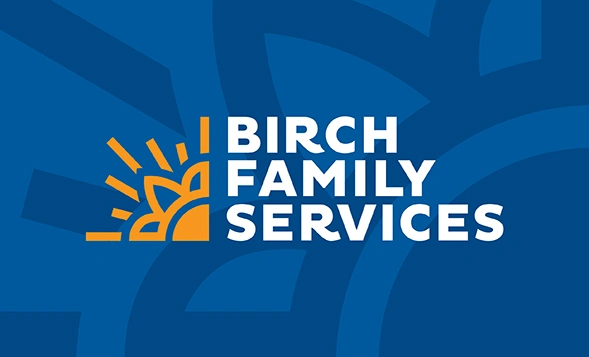


A strong brand is built on consistency, and brand guidelines are one of the keys to making that happen. Whether you’re launching a new identity or scaling your organization, clear brand guidelines ensure that everyone from designers to partners communicates your brand accurately and effectively.
What is a Brand Guideline?
A brand guideline, or brand guide, is a document that offers direction on how to implement a brand’s communications architecture and helps those who are creating content or marketing materials for the brand to remain true to the brand identity. The guide includes messaging and tone, editorial approach and style, logo, artwork, color, and typographic usage, as well as examples of how it is applied. Many brand guidelines are provided as a PDF, webpage, or even a microsite, as long as the format can communicate with those creating content for or managing the brand.
As with many things in business, the size and complexity of a brand guideline vary, but the guidelines should be clear and concise. An overly detailed and complex brand guideline can be hard to follow, and expectations that employees will memorize it are a fantasy.
At Trillion, we’re responsible for implementing and managing the integrity of some of the most recognizable brands. Some have extremely detailed guidelines to follow. We also build brand guidelines for businesses and non-profit organizations that require many people to interact with the brand voice, personality and visual aspects. Having this experience and insight puts us in a unique position to manage and design brand guidelines, and to offer some ideas about what they should include.
Your Brand’s Mission
The mission statement expresses the concrete ways you will implement the brand’s vision. It should outline the company’s values, strategies, long-term goals and capabilities.
Your Brand’s Vision
The vision of your brand is the inspiration for all your company wants to achieve; it is the reason you exist and highlights your core purpose.
Brand Positioning
Your brand positioning explains the unique way your company meets your customers’ needs, what differentiates you from your competitors, and the distinct benefit the customer will receive from you.
Key Messaging
Key messaging is a set of clear, compact statements that communicate your brand’s purpose, value to customers, and key talking points. It summarizes the specific messages you want your audience to know and remember about your brand.
Verbal Identity and Tone of Voice
How do you want your written and spoken communications to sound? Depending on your brand, your tone might be formal, casual, technical, or warm; whatever best evokes the character of your brand. For example, a landscaping service will use a different type of vocabulary and cadence than a law firm would. Being consistent will ensure your customers get the right “feel” when they see your advertisements or visit your website. The verbal identity can also include grammar directions (Chicago or AP Style) and capitalization for titles specific to your industry.
Verbal identity can include key phrases that you use regularly or that are specifically useful in your communications. These could include taglines or phrases you want to incorporate, such as “the lowest price anywhere” or “serving families for 50 years.” It can also include some things never to say: perhaps you don’t want to use direct calls-to-action or language that refers to your brand as a bargain.
Visual Identity
A strong and recognizable visual identity will include fonts, logos, colors and overall composition. Your guideline should include specifics on all these and can also address the use of icons, photography and other imagery. Your look and feel should be consistent in all of your printed materials and digital design.
Brand Guide Examples
Since the sophistication of brand guidelines regularly mirrors the complexity of a business, your guide may be less or more intricate. Below are lists of the items most frequently covered in brand guidelines.
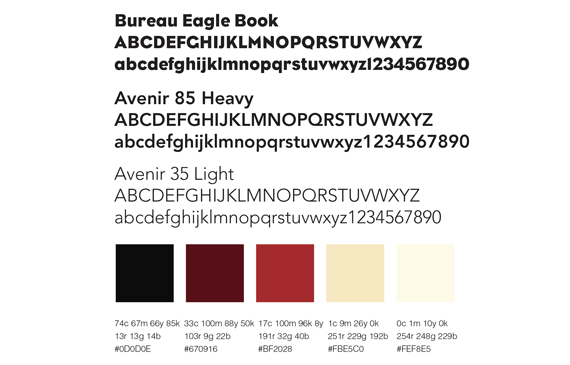
Simple Version
A simple brand guideline (up to 5 pages) could contain:
- Logo usage and safe area
- Color usage for print and web communications
- Fonts to be used for headlines, subheads and body text
- Design parameters for common stationery items such as business card, letterhead and envelope
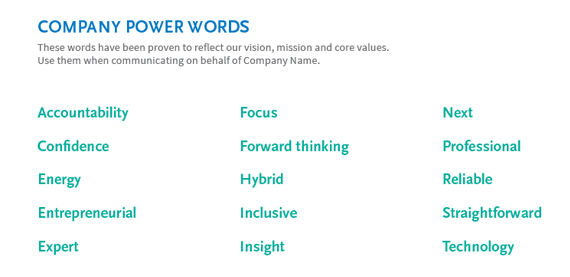
Moderate Version
A moderate brand guideline (up to 20 pages) could contain:
- All of the above in a simple brand guideline
- Brand mission and vision statements
- Brand personality
- Logo dos and don’ts
- Photographic style examples
- Email signature formatting
- Keywords and language to be utilized in communications and marketing materials
- Sample ads, brochures and collateral material
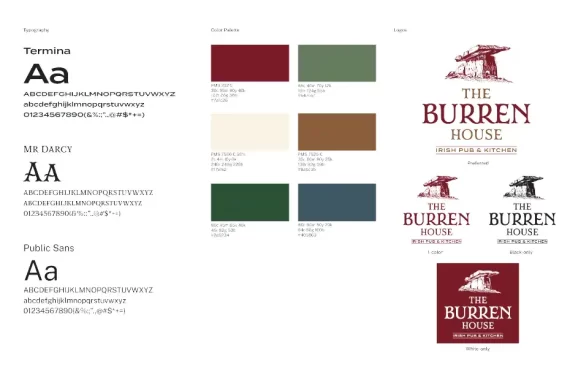
Complex Version
A complex brand guideline (30-60+ pages) could contain:
- All of the above
- Additional design grids and directives
- Key Messages
- Voicemail script
- Employee uniform apparel
- Internal photo library access and usage
- Corporate facility signage dimensions, materials and application details
- Corporate vehicle signage and wrap information
- Business unit directives and sub-brand identifiers
Build Stronger, Consistent Brand Guidelines with Trillion
As a business and a brand grow, so will the level of detail necessary in the guidelines. If your business is wondering how to get started, give us a call at 908.219.4703 or reach out here for help with your brand guidelines. Trillion can help define what content should be included, as well as write and design it so that your brand is always portrayed consistently and in the best light possible.