Capital campaigns are among the most complex and high-stakes initiatives a nonprofit can undertake. They require an organization to articulate a long-term vision, demonstrate readiness for growth, and inspire donors to make commitments that often extend beyond a single fiscal year. Success depends not only on fundraising mechanics, but on how clearly the vision is communicated and how consistently it is reinforced across every donor touchpoint.
Capital campaign branding and communications create the framework that holds these efforts together. They translate ambition into understanding, turn planning into persuasion, and give donors confidence that the organization is prepared to steward both resources and trust.
Why Capital Campaign Branding Is a Strategic Imperative for Fundraising
Capital campaigns demand a higher level of confidence from donors than annual appeals. Supporters are not just funding programs. They are investing in expansion, facilities, endowments, or long-term capacity. That raises the bar for clarity and credibility.
Strong branding signals preparedness. It reduces uncertainty and makes the campaign feel deliberate rather than improvised. This is why branding matters for non-profits when the ask is transformational. If donors cannot quickly understand what is changing, why it matters now, and what success looks like, the campaign loses momentum before it even begins.
Alignment is equally important. Capital campaigns involve board members, development leaders, program staff, and often external consultants, all speaking to donors in parallel. When teams are not aligned on messaging and tone, communication becomes fragmented and donors experience mixed signals. Many organizations reduce that risk by starting with a branding workshop that clarifies the narrative, surfaces assumptions, and creates shared language before materials are produced.
Building a Capital Campaign Identity That Donors Recognize Instantly
A capital campaign should feel connected to the parent organization, but distinct enough to signal a focused initiative with a clear goal and timeframe. This identity typically includes a campaign name and tagline, a logo or lockup, supporting typography and color, and a design system that can scale across print, digital, and events.
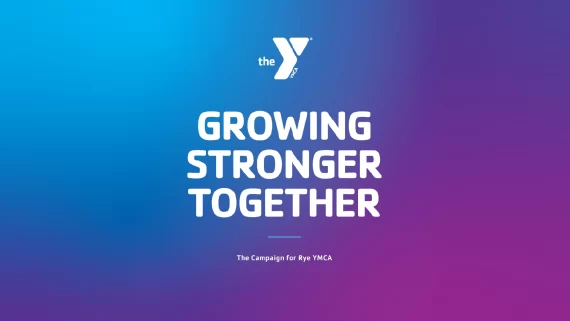
The Rye, NY, YMCA hired Trillion to brand their capital campaign “Growing Stronger Together.” Working within the YMCA brand guidelines that so many YMCAs around the country follow, Trillion succinctly communicated the need for donations and how the campaign would impact the community. Rye YMCA achieved its fundraising goal of $1M and completed its expansion.
The value of a cohesive system is not aesthetic. It is functional. A donor should be able to recognize campaign communications instantly in a stack of mail, a board packet, or an inbox. Reviewing integrated examples of campaign design helps organizations see how campaign identity becomes real assets like brochures, donor folders, digital graphics, and event materials that reinforce the same story.
A well-built identity also creates confidence internally. It makes it easier for board members and staff to share materials and speak consistently because the campaign “feels official” and prepared.
Messaging That Converts Interest Into Commitments
Campaign branding gets attention, but messaging secures commitment. Most donors do not give because a project is large. They give because the need is clear, the plan is credible, and the outcomes feel meaningful.
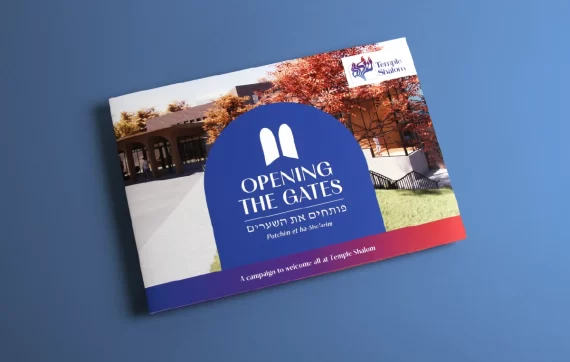
Trillion branded Temple Shalom’s $7MM capital campaign, which sought to modernize its spaces for inclusivity, accessibility and community. The “Opening the Gates” campaign clearly illustrated the need for renovation and beautifully demonstrated Temple Shalom’s vision for its future.
Effective campaign messaging builds from a strong case for support that answers several important questions.
- What is the need, and why is now the time to meet it?
- What will change as a result of this campaign?
- Who will be the biggest beneficiaries?
- How will success be measured?
- Why is this organization the one to lead this change?
The principles behind crafting a compelling nonprofit case statement apply directly to capital campaigns because major gifts require both emotional resonance and rational justification.
Strong case messaging also prevents a common campaign issue: overexplaining. When organizations try to include every detail everywhere, donors lose the thread. A well-structured message hierarchy keeps the story simple at the surface while allowing depth for donors who want to go deeper.
Capital Campaign Brochures as the Core Fundraising Asset
Even in a digital-first world, a capital campaign brochure remains one of the most important donor tools. It is often the piece that is handed to a major donor, referenced in a board conversation, or included in a follow-up packet after a meeting. That makes planning and structure critical.
Before design begins, it helps to clarify how the brochure will be used and what decisions it must support. Asking important brochure design questions early prevents costly revisions later because it forces alignment on audience, content priorities, and the intended next step.
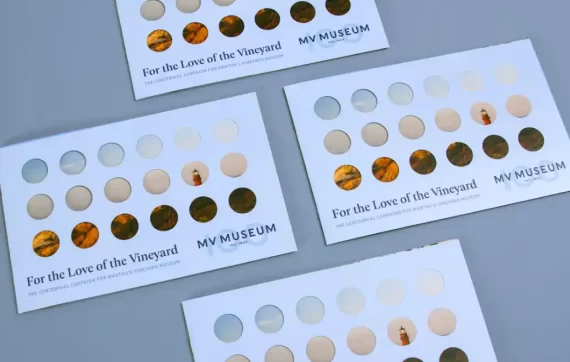
Trillion’s design for Martha’s Vineyard Museum created a sophisticated look and feel that would serve as a conversation piece, with the goal of engaging both year-round residents and those who spend their summers on the island.
Campaign teams also benefit from approaching the brochure like a donor conversation on paper. Planning content hierarchy, pacing, photography, and proof points with capital campaign brochure design planning considerations helps ensure the story stays clear, the ask is understandable, and the donor can visualize the impact.
For campaign leaders looking for a broader roadmap to confirm that core elements are in place, the essentials of a successful capital campaign can be a useful framework to pressure test readiness across planning, leadership, messaging, and execution.
Print Strategy That Supports Major Gifts and Broad Participation
Print is not just tradition. It is a high-trust medium, especially for major donors who are accustomed to reviewing proposals, plans, and supporting materials in tangible form. Print also slows the experience down in a positive way. Donors spend more time with a brochure or packet than they do with an email.
That is why print design continues to play an outsized role in fundraising. A campaign can use print to tell the story with more depth, show progress, and reinforce credibility. It also supports donor sharing. Well-crafted print pieces are easily passed to spouses, committee members, or peers, extending influence beyond the initial audience.
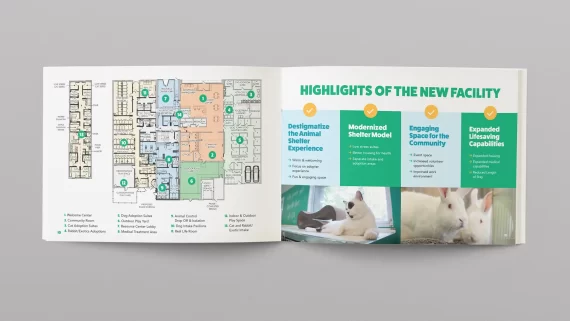
Animal Care League, a limited-admission animal shelter, needed to enlarge and transform their facility. Trillion’s case for support brochure design clearly illustrated the need and the impact donors could make by supporting the new facility.
Segmentation matters, too. Campaigns speak to different motivations across donor groups, and print can reflect that without fragmenting the identity. Using variable data fundraising techniques allows for tailored messaging across inserts, donor packets, and segmented follow-ups, which can strengthen relevance while keeping the campaign cohesive.
Direct Mail and Appeals That Maintain Momentum During the Campaign
Capital campaigns rarely exist in isolation. They intersect with annual giving, renewal cycles, and year-end fundraising periods. The risk is that donors experience message fatigue or confusion if appeals feel disconnected.
A well-designed campaign integrates direct mail as a structured sequence, not as occasional bursts. Thoughtful year-end appeal mailing design can reinforce campaign goals while still supporting annual fund needs, especially when messaging is aligned and audience expectations are respected.
Operational planning matters as well. Many nonprofits leave savings on the table by not understanding postal logistics. Completing a USPS nonprofit postage authorization can help reduce mailing costs and free up budget for better personalization, stronger creative, or more touchpoints.
For organizations operating under financial constraints, campaign communications should be designed for sustainability. A practical approach to optimizing nonprofit marketing with limited budgets can help teams prioritize high-impact assets and phase campaigns without sacrificing quality.
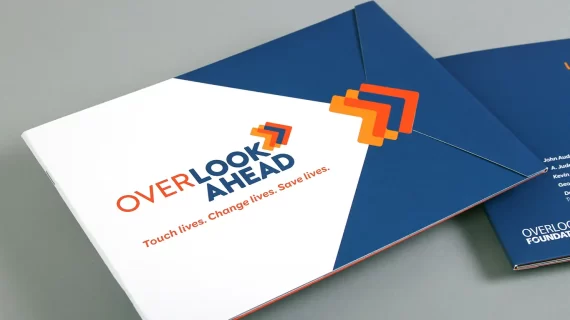
As part of the branding and design for Overlook Medical Center’s $169M campaign, Trillion created a custom brochure that helped support the storytelling and progress of the campaign. As the campaign continued, Trillion also designed advertisements, newsletters, apparel, and promotional materials.
Digital Campaign Presence That Builds Confidence and Drives Action
Donors and stakeholders will research the campaign online, even if the ask is delivered personally. The campaign website, landing pages, and digital assets must communicate the vision quickly, reinforce credibility, and make it easy to take the next step.
Campaign digital experiences should prioritize clarity, mobile usability, and accessibility. Aligning with web design trends for not-for-profit fundraising helps ensure the experience is built for donor behavior rather than internal preferences.
Digital visibility can also support campaign reach. For eligible nonprofits, strategic Google Ad Grant management can drive qualified traffic to campaign landing pages, especially during public campaign phases or community outreach efforts.
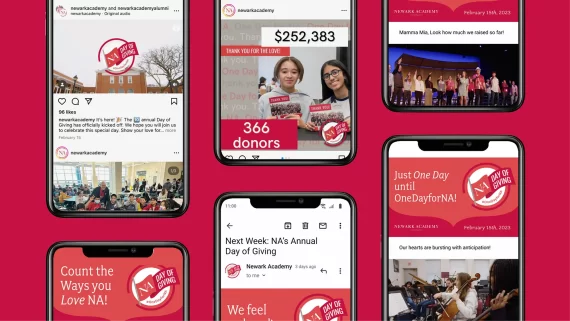
Newark Academy, one of America’s oldest private schools, hired Trillion to design and build a website for its $30M capital campaign. Using established branding, full-screen video content, large photos, and a scrolling timeline, the design creates a digital home for the compelling story of the school’s impact and need.
Events and Galas as Campaign Communication Engines
Events can serve as milestones, cultivation moments, and momentum builders within a campaign. The key is ensuring the event story has powerful branding that reinforces the campaign narrative rather than becoming a separate theme that competes for attention.
Coordinating invitations, signage, program materials, digital promotion, and follow-ups as a single system is where nonprofit event marketing becomes especially valuable. When executed well, events strengthen relationships, create pride, and generate donor confidence.
For formal fundraising moments, the invitation itself can be a credibility signal. Thoughtful gala invitation design communicates importance, professionalism, and stewardship, all of which influence participation and donor sentiment.
Stewardship, Reporting, and the Trust-Building Phase After the Ask
Campaign communications should not taper off after a pledge. Stewardship is where trust is maintained and future giving is protected. Donors want to see progress, understand impact, and feel connected to the outcomes they helped create.
Trillion worked with Newark Academy on a gala that celebrated the end of its capital campaign. It was a unique way to thank donors and continue to build relationships.
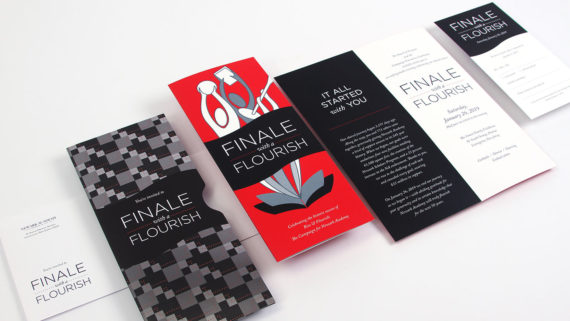
Trillion’s gala invitation design incorporated the existing event branding but with an expanded look and feel for their special celebration.
Many nonprofits are evolving how they report results, shifting from traditional annual reports toward more donor-centered storytelling. Understanding why annual reports are transforming into impact reports can help campaign teams plan updates that feel meaningful, transparent, and aligned with the campaign narrative.
Measuring What Works and Improving Campaign Communications Over Time
Campaign communications should be evaluated like any strategic program. Message performance, donor engagement, response rates, website behavior, and event participation all provide insight into what is resonating and where the story needs refinement.
Using tools for measuring nonprofit marketing success helps leadership teams move from opinions to evidence. Measurement also builds internal confidence by making progress visible and guiding resource allocation more effectively.
Capital Campaign Communications Within a Broader Donor Relationship Strategy
Capital campaigns are most effective when they support long-term donor relationships rather than short-term transactions. Campaign messaging should align with the organization’s broader engagement strategy, ensuring donors experience a consistent story year-round.
A strong foundation for this alignment can be found in this thorough guide to nonprofit marketing and donor communications, which reinforces the idea that trust is built over time through clarity, consistency, and purposeful communication.
Partnering With Trillion for Capital Campaign Branding and Communications
Capital campaigns require strategic clarity and disciplined execution. Trillion partners with nonprofits to develop campaign identity systems, case messaging, print and digital collateral, event materials, and integrated fundraising communications built to sustain momentum.
Seeing examples of cohesive capital campaign design work can help clarify what a unified campaign system looks like in practice, from core brochure assets to multi-channel donor touchpoints. Recognition is not the goal, but it can be a signal of execution quality, and Trillion’s nonprofit work has earned gold advertising awards for nonprofit campaigns.
If your organization is planning a campaign or refining one already underway, Trillion can help unify messaging, strengthen donor-facing materials, and build communications systems that support confidence from early cultivation through stewardship. Contact us to discuss your capital campaign goals and challenges, and explore whether a strategic partnership is the right fit for your organization.